Product development is a ubiquitous process that touches almost every aspect of our lives. However, it’s not just about groundbreaking inventions; in fact, it can be seen in everyday items we encounter. For instance, think of a barber’s journey in cutting a customer’s hair, much like how a chef in a culinary arts academy elevates a traditional dish. Similarly, an industrial design enthusiast might embark on a project to renovate the latest smart AI-integrated earphones or smart HIFI players.
Whether it’s a homemade toy, a kitchen renovation, or a new gadget, the process of product development typically involves generating ideas, planning, designing, testing, and refining until the final product is ready to be introduced to the world.
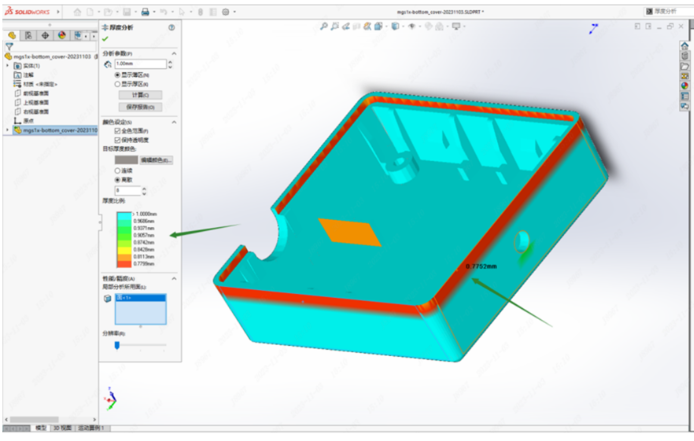
I. The Product Development Process
Product development is essential for any business that wants to stay competitive and grow. By understanding customer needs and creating products that meet these needs, businesses can gain market share, increase sales, and build brand loyalty. Additionally, review product development example allows businesses to innovate and introduce new products and services ahead of competitors.
Stage 1. Conceptualization & Brainstorming: Sparking creativity to conceive fresh concepts and ideas.
Stage 2. Practical Assessment & Blueprint Creation: Conducting a thorough analysis to determine the viability of ideas and outlining a plan for implementation.
Stage 3. Creation & Construction: Bringing the vision to life by designing and developing the product from concept to reality.
Stage 4. Examination & Fine-tuning: Build prototypes by 3D printing or CNC machining quickly,Testing prototypes, iterating on designs, and refining the product through repeated cycles of evaluation. Know more about 3Dprinting tips and learn how to avoid common mistakes.
Stage 5. Verification & Materialization: Validating the product against customer needs, generating supporting materials, and ensuring alignment with market requirements.
Stage 6. Production & Introduction: Manufacturing the product and introducing it to the market, bringing the finished product to the consumer.
Stage 7. Ongoing Enhancement: Continuously seeking feedback and conducting reviews to identify areas for improvement and enhancing the product over time.
II. Who Participates in the Lifecycle of a Product Development?
In the product development process, various participants and stakeholders are involved, each playing a critical role to ensure the successful creation and launch of a product. Here’s a detailed breakdown of these roles and their functions:
1. Product Manager
- Responsibilities: Define the product vision and strategy, create the product roadmap, and prioritize features.
- Role and Function: Acts as a bridge between the company’s strategic goals and customer needs. They gather requirements by studying user needs, market trends, and competitor analysis through surveys and feedback.
2. Industrial Designer or Product Designer
- Responsibilities: Handle the product’s exterior design, including shape, select proper material, and color. Conduct user research, prototyping, and user testing to optimize the user experience.
- Role and Function: Enhances the product’s market competitiveness through unique and appealing designs.
3. Mechanical Engineer
- Responsibilities: Responsible for the product’s structural design,rapid prototyping, ensuring it meets functional requirements while maintaining strength, stiffness, and stability.
- Role and Function: Provides the solid framework for the product through precise calculations and optimize design. Click and learn more about Acrylic Parts Mechanical Design Tips.
4. PDT Manager (Project Development Team Manager)
- Responsibilities: Define the project development process, form the project team, clarify responsibilities, and manage all aspects from initiation to launch.
- Role and Function: Coordinates and manages the entire product development process, ensuring the project meets key milestones.
5. Other Participants
- Internal Personnel: Includes technology developers, design teams, operations staff, sales personnel, service staff, and management.
- External Stakeholders: Regulators, customers, operators, suppliers, investors, and potential competitors.
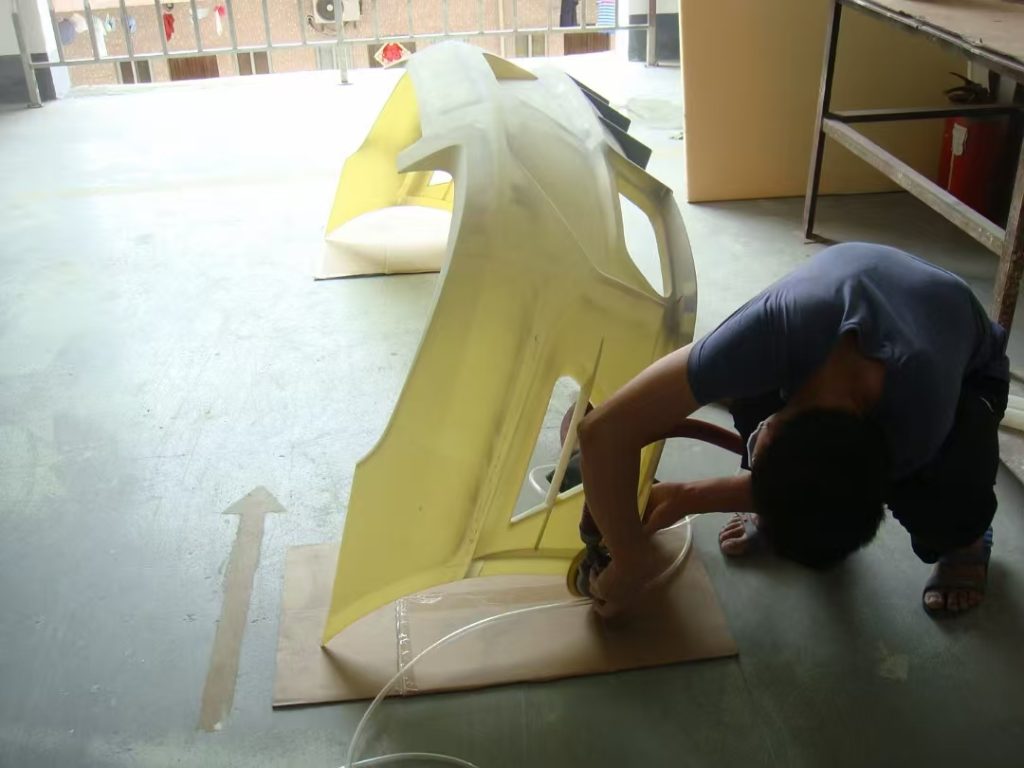
III. How Does Product Development Enable Businesses to Identify and Capture New Opportunities?
Product development is crucial for businesses as it enables them to continually innovate, stay ahead of the competition, and identify and capture new market opportunities that drive growth and profitability.
1. Market Research and Understanding
Through market research,review similar product development examples, businesses can identify trends, gaps in the market, and potential customer needs.
2. Innovation and Creativity
Product development encourages innovation and creativity, allowing businesses to create unique and differentiated products.
3. Competitive Analysis
By analyzing competitors’ example of product development process, businesses can identify weaknesses, opportunities for improvement, and new niches or segments to target.
4. Customer-Centric Approach
Focusing on understanding and fulfilling customer needs helps businesses create loyal customers and grow their market share.
5. Rapid Prototyping and Iteration
Creating prototypes quickly and iterating based on feedback allows businesses to refine products and bring them to market faster.
6. Diversification and Expansion
Product development enables businesses to expand into new markets, product lines, or geographies.
7. Brand Reinforcement
Successful product development reinforces a business’s brand, attracting new customers and retaining existing ones.
IV. Product Development and Product Management: Are They Distinct Roles with Separate Responsibilities?
Product development and product management are not the same, though they are closely related and complementary processes in the overall lifecycle of a product.
Differences:
- Product Development: Focuses on the technical and functional aspects of the product.
- Product Management: Oversees the entire product lifecycle from a strategic and business perspective.
Similarities:
Both aim to create and deliver products that meet customer needs and market requirements.
Complementarity:
Product management provides guidance and direction for product development, while product development provides the technical capabilities to meet those needs.
V. An Example of Product Development: Smart Walking Device from Prototyping to Production
I had one experience in developing the smart walking stick. Fast forward to 2014, when I first embarked on the journey of product development. Little did I know, the road ahead would be filled with unexpected twists and turns, pitfalls, and learning experiences.
The Idea
The idea began with a simple thought: to create a smart walking device that would make elders’ lives easier. After conducting market research, we realized there was a gap in the market for a walking stick with fall detection and GPS location features.
Design and Development
The design process was both exciting and challenging. We iterated the design several times, making adjustments based on design review ingishts from focus groups meetings and beta testers.
Prototypes and Testing
We took the prototypes to various locations for testing, but the GPS functionality was not as accurate as we had hoped. This was a significant setback, as the accuracy of the location data was vital for our product’s functionality.
Overcoming Challenges
We redesigned the GPS antenna and integrated both 2G and 3G network interfaces to address connectivity issues.
Expanding the Market
We partnered with distributors and developed an online selling channel to reach a wider audience.
Success and Future Prospects
A decade has flown by since I parted ways with that esteemed team in 2017. Their sales have flourished, scaling new heights both offline and online. Today, as a director manager of HITIONS, I oversee the transition from prototyping to scaled production, guiding clients from the initial spark of an idea to the realization of a tangible product.
Product development examples reveal that true innovation lies in solving customer pain points effectively. Whether in tech, healthcare, or consumer goods, the companies that excel are those who use structured processes—like rapid prototyping, user testing, and iterative feedback loops—to engage customers at scale and turn insights into market-leading solutions.
Are you on the journey to a new product development? Let’s talk and let HITIONS know where we can help you move forward. Contact us at cindy@hitions.com.