At Hitions we specialize in providing top-notch custom sheet metal fabrication services that cater to the specific needs of our clients. Here’s an in-depth look at sheet metal fabrication service we offer and how we can meet your fabrication requirements.
Firstly, we pride ourselves on offering a diverse selection of materials.
Our sheet metal fabrication service encompasses a wide range of materials, including aluminum, brass, bronze, copper, and steel. This ensures that you can choose the perfect material for your custom sheet metal fabrication project, whether it’s for medical, automotive, or household applications. With such a variety, we can accommodate various needs and preferences, making sure each project meets its specific requirements.
Secondly, we emphasize custom SHEET METAL FABRICATION service.
Understanding that every project is unique, we provide custom designs and dimensions to meet your specific needs. This includes custom brass door knob designs and other intricate parts that require precision and attention to detail. Our state-of-the-art equipment, includingstamping machine, cutting machine, CNC machining service, and other advanced processing techniques, enables us to deliver high-precision sheet metal parts with complex geometries and tight tolerances.
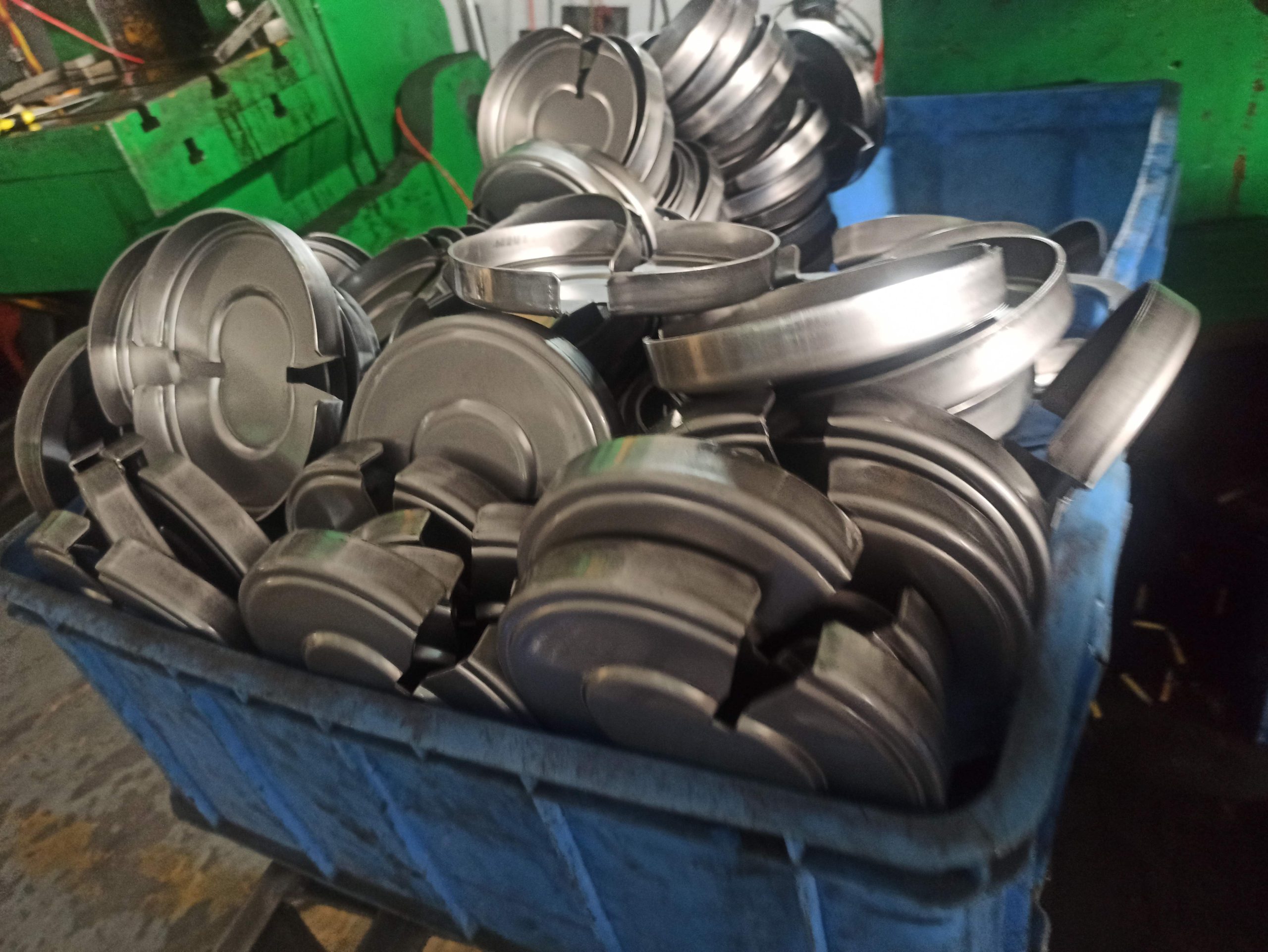
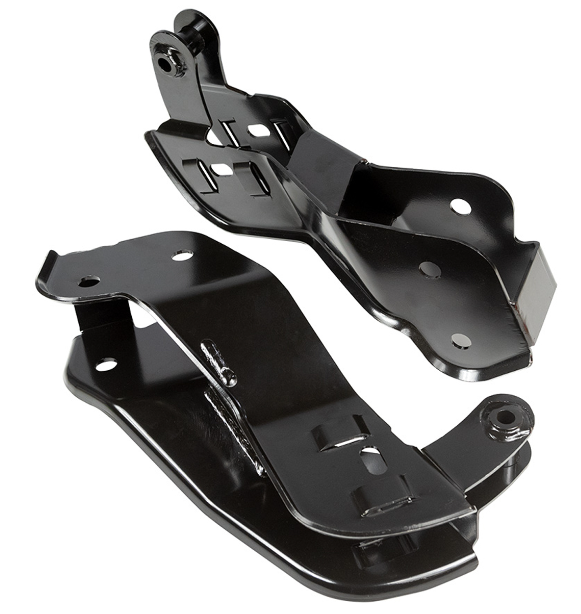
How sheet metal is made?
– Punching: Creating holes or perforations in sheet metal using a punch and die set.
– Bending: Using a brake press or similar equipment to bend sheet metal into desired shapes and angles.
– Rolling: Passing sheet metal through rollers to curve or bend it into cylindrical or conical shapes.
– Stretching: Applying tensile force to stretch sheet metal, typically used for deep drawing operations.
– Embossing: Adding decorative or functional patterns to sheet metal surfaces by pressing or stamping the material.
– Welding: Fusing two or more pieces of metal together using heat, pressure, or both. Common welding techniques include MIG, TIG, and spot welding.
– Riveting: Joining metal sheets using rivets, which are inserted and compressed to secure the sheets in place.
Moreover, quality control is paramount in precision sheet metal fabrication operations.
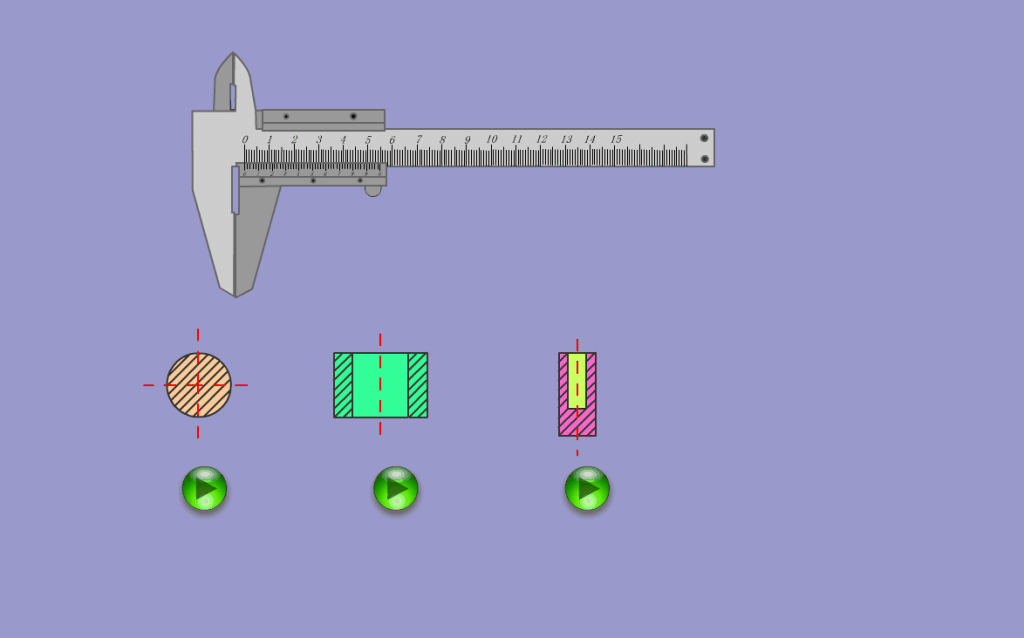
We ensure stringent quality checks at every stage of production. Our 100% inspection before shipment guarantees that every sheet metal parts meets the highest Tolerance standards. We utilize advanced inspection machines such as CMM, projectors, and universal testing equipment to maintain this high level of quality. This commitment to excellence ensures that our clients receive only the best products.
Additionally, we offer flexible packaging and shipping options.
Recognizing the diverse sheet metal fabrication needs of our clients, we provide packaging options that cater to specific requirements. Our global shipping network ensures timely delivery from our factory in Fujian, China, to your doorstep. This ensures that you receive your order promptly and in perfect condition.
Our expertise extends to various industries. In the medical field, we fabricate sheet metal parts that meet stringent hygiene and safety standards. In the automotive industry, we produce durable and reliable sheet metal components that withstand the rigors of daily use. And in the household sector, we create aesthetically pleasing and functional products that enhance everyday living.
Furthermore, HITIONS TECH has a proven track record of excellence.
With years of experience in the industry, HITIONS have built a reputation for delivering top-notch sheet metal services. Our on-time delivery rate is high, and our response time is swift. Our team of skilled engineers and technicians ensures that every project is handled with the utmost care and professionalism.
Detailed Explanation of Common Materials Used in Sheet Metal Processing
Material selection in sheet metal processing directly impacts product strength, corrosion resistance, machinability, and cost. Below is a comprehensive breakdown of common metal, along with special-purpose materials for niche applications.
I.SHeet Metal fabrication Materials
1. Carbon Steel sheet fabrication(Cold-Rolled/Hot-Rolled)
Representative Grades:
- SPCC (Cold-Rolled), SPHC (Hot-Rolled), Q235, DC01
Characteristics:
- Cold-Rolled Steel(SPCC): Smooth surface, tight thickness tolerance (±0.05mm), ideal for stamping and bending.
- Hot-Rolled Steel(SPHC): Thick oxide layer requires pickling before use; lower cost but poorer precision.
- Yield Strength Steel: DC01 (cold-rolled): 180–280 MPa; Q235 (hot-rolled): 235 MPa.
Applications:
- Cold-Rolled Steel: Electrical cabinets, elevator cars, automotive body panels.
- Hot-Rolled Steel: Building structural components, mechanical brackets (where surface finish is less critical).
Key Considerations:
- Requires anti-rust treatment (e.g., galvanizing, painting) to prevent corrosion.
- Springback must be controlled during bending (pre-bending or die compensation recommended).
2. Stainless Steel sheet
Representative Grades:
- 304 (06Cr19Ni10), 316L (022Cr17Ni12Mo2), 430 (10Cr17)
Characteristics:
- 304: Excellent corrosion resistance for general environments (e.g., food machinery, kitchenware).
- 316L: Contains molybdenum (2.0–3.0%), resistant to seawater and chloride corrosion (chemical, marine applications).
- 430: Ferritic stainless steel; lower cost but inferior corrosion resistance (used for indoor decor).
Machining Challenges:
- Laser cutting requires nitrogen shielding to prevent oxidation discoloration.
- Minimum bend radius ≥1.5× plate thickness to avoid cracking.
Applications:
- 304: Medical devices, elevator doors, subway handrails.
- 316L: Offshore platforms, seawater desalination equipment.
3. Aluminum Alloys sheet
Representative Grades:
- 5052 (Al-Mg), 6061 (Al-Mg-Si), 1060 (Pure Aluminum)
Characteristics:
- 5052: High strength (yield strength ≥195 MPa), good corrosion resistance, weldable.
- 6061: Heat-treatable; higher strength (T6 state yield strength ≥240 MPa) for structural parts.
- 1060: ≥99.6% purity; excellent electrical conductivity but low strength (used for heat sinks).
Sheet metal Fabrication Advantages:
- Laser cutting is twice as fast as steel.
- Minimal springback during bending, but die clearance should be ~0.8× plate thickness.
Applications:
- 5052: Automotive fuel tanks, ship decks.
- 6061: Drone frames, bicycle frames.
4. Copper & Copper Alloys sheet
Representative Grades:
- T2 (Pure Copper), H62 (Brass), QSn6.5-0.1 (Tin Bronze)
Characteristics:
- T2: Superior electrical conductivity (≥58 MS/m) for conductive components.
- H62: 62% Cu content; high strength (yield strength ≥200 MPa) and moderate corrosion resistance.
- QSn6.5-0.1: Contains 6.5% Sn; excellent wear resistance for bearings and gears.
Sheet metal brication Challenges:
- High thermal conductivity requires high laser power (≥3 kW) and high auxiliary gas pressure for cutting.
- Preheating to 150–200°C is needed to prevent cracking during bending.
Applications:
- T2: Transformer terminals, busbars.
- H62: Locks, valve components.
5. Coated Steels USED IN CUSTOM SHEET METAL FABRICATION
Material Types:
- Electro-Galvanized (SECC): Zinc layer 3–20 μm thick; better corrosion resistance than cold-rolled steel (indoor appliances).
- Hot-Dip Galvanized (SGCC): Zinc layer 45–300 μm thick; extreme corrosion resistance (outdoor structures).
- Galvalume (GL): Aluminum-zinc alloy coating; 2–6× more corrosion-resistant than hot-dip galvanized (building roofs).
Key Considerations:
- Welding produces zinc vapor; ensure ventilation or use laser welding to reduce fumes.
- Avoid coating flaking during bending (die radius ≥0.5 mm).
II. Special-Purpose Materials
1. Titanium Alloys USED IN METAL FABRICATION SERVICE
Representative Grades:
- TA15 (Ti-6Al-2Zr-1Mo-1V), TC4 (Ti-6Al-4V)
Characteristics:
- Density: 4.5 g/cm³ (60% of steel); high strength (TC4 yield strength ≥825 MPa).
- Withstands high temperatures (retains strength at 600°C); seawater-resistant.
Applications:
- Aircraft engine blades, marine propellers, medical implants (artificial joints).
Machining Considerations:
- Laser cutting requires ≥6 kW power with argon shielding.
- Preheating to 300–400°C and lubricated dies are needed for bending.
2. Magnesium Alloys
Representative Grades:
- AZ31B (Mg-3Al-1Zn), AZ91D (Mg-9Al-1Zn)
Characteristics:
- Density: 1.74 g/cm³ (66% of aluminum); high specific strength.
- Excellent damping properties (vibration absorption).
Applications:
- Laptop housings, automotive wheels, drone frames.
Machining Challenges:
- Prone to oxidation fires; cutting requires CO₂+O₂ protective gas.
- Controlled bending at 150–200°C to minimize springback.
III. Material Selection Principles
1. Performance Matching
- Corrosion Resistance: Choose 316L stainless steel or Galvalume for marine environments.
- Strength: Opt for 6061-T6 aluminum or Q345 carbon steel for structural parts.
- Lightweighting: Use titanium alloys or CFRP in aerospace.
2. Cost Optimization
- For high-volume production, hot-rolled steel is 20% cheaper than cold-rolled.
- Replace 304 stainless steel with 430 where surface finish is less critical.
HITIONS sheet metal fabrication service offers a comprehensive range of materials, customized metal fabrication solutions, stringent quality control, flexible packaging, and timely delivery. With our expertise and commitment to excellence, we can meet the specific needs of clients across various industries. Whether you’re looking for precision parts for medical equipment or sturdy components for automotive applications, we have the capability and experience to deliver.
Contact us today to learn more about our sheet metal fabrication FAQs and how we can help with your next project. cindy@hitions.com